
Periodontal diagnosis
Clinical examination
Detailed observation of the gums and teeth.
X-rays
Assessment of the bone that supports the teeth.
Periodontogram
A detailed record of the health status of each tooth.
This record allows us to monitor progress over time and tailor treatment to your needs.
Instruction and Motivation for Oral Hygiene
An informed and motivated patient is the best ally in treatment.
Effective oral hygiene at home is essential in controlling periodontitis. Biofilm forms every day, and its removal depends not only on regularity but also on the technique used.
During the consultation, we assess each patient's habits and, when necessary, adapt the brushing technique to their clinical situation. We also teach the correct use of interdental hygiene tools — interdental brushes or dental floss — selected based on the anatomy of the spaces between the teeth and the individual needs of each person.
Effective oral hygiene at home prolongs the results of the consultation and is crucial to halting the progression of the disease.
Periodontitis
Periodontitis is an inflammatory disease influenced by multiple factors, with the accumulation of biofilm along the gum line being the main trigger—a structured community of microorganisms that continuously forms on the teeth and, without effective oral hygiene, triggers inflammation in the gums.
Symptoms of periodontal disease
Subgingival Instrumentation
When bacterial buildup reaches the periodontal pockets, specific intervention is necessary. Using manual instruments and ultrasound, we remove tartar and plaque below the gum line, reducing inflammation and creating conditions for tissue recovery. The number of sessions depends on the extent of the disease.
Gum grafts
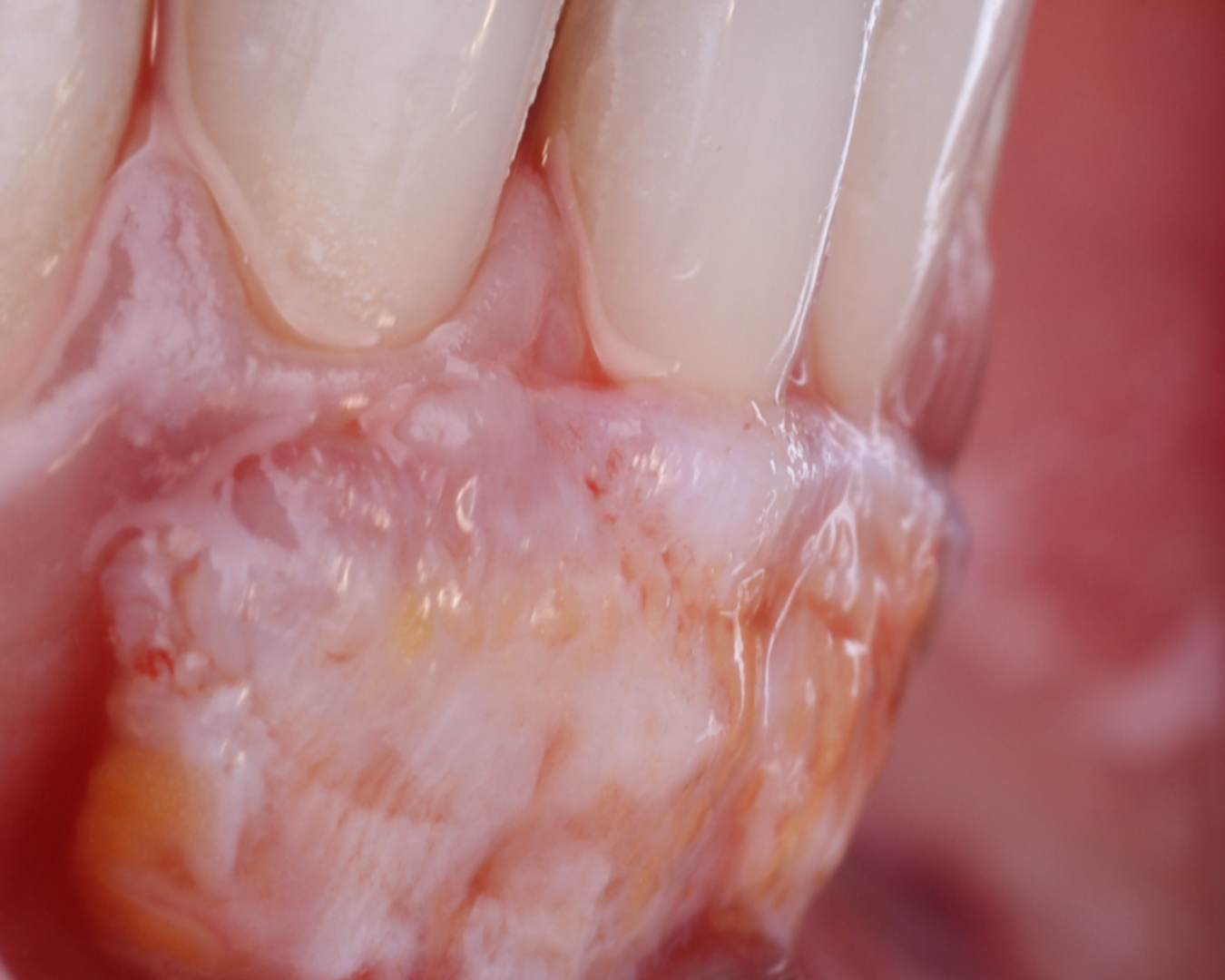
Gingival recession exposes the roots of the teeth, compromising aesthetics, increasing sensitivity, and raising the risk of tooth loss. Gum grafting allows these roots to be covered with predictable and long-lasting results, and is indicated for both aesthetic and functional reasons.
Crown Lengthening
When teeth appear too short or the gums are excessively visible when smiling, crown lengthening reshapes the gum architecture, restoring proportion and harmony to the smile. It is also indicated in the preparation of teeth for prosthetic restorations.
Periodontal Maintenance
Periodontitis is a chronic condition that requires regular follow-up. Maintenance appointments—usually every 3–4 months—allow for monitoring of progress, prevention of relapses, and reinforcement of home care, making the patient an active partner in their own treatment.