
A Minimally Invasive Procedure
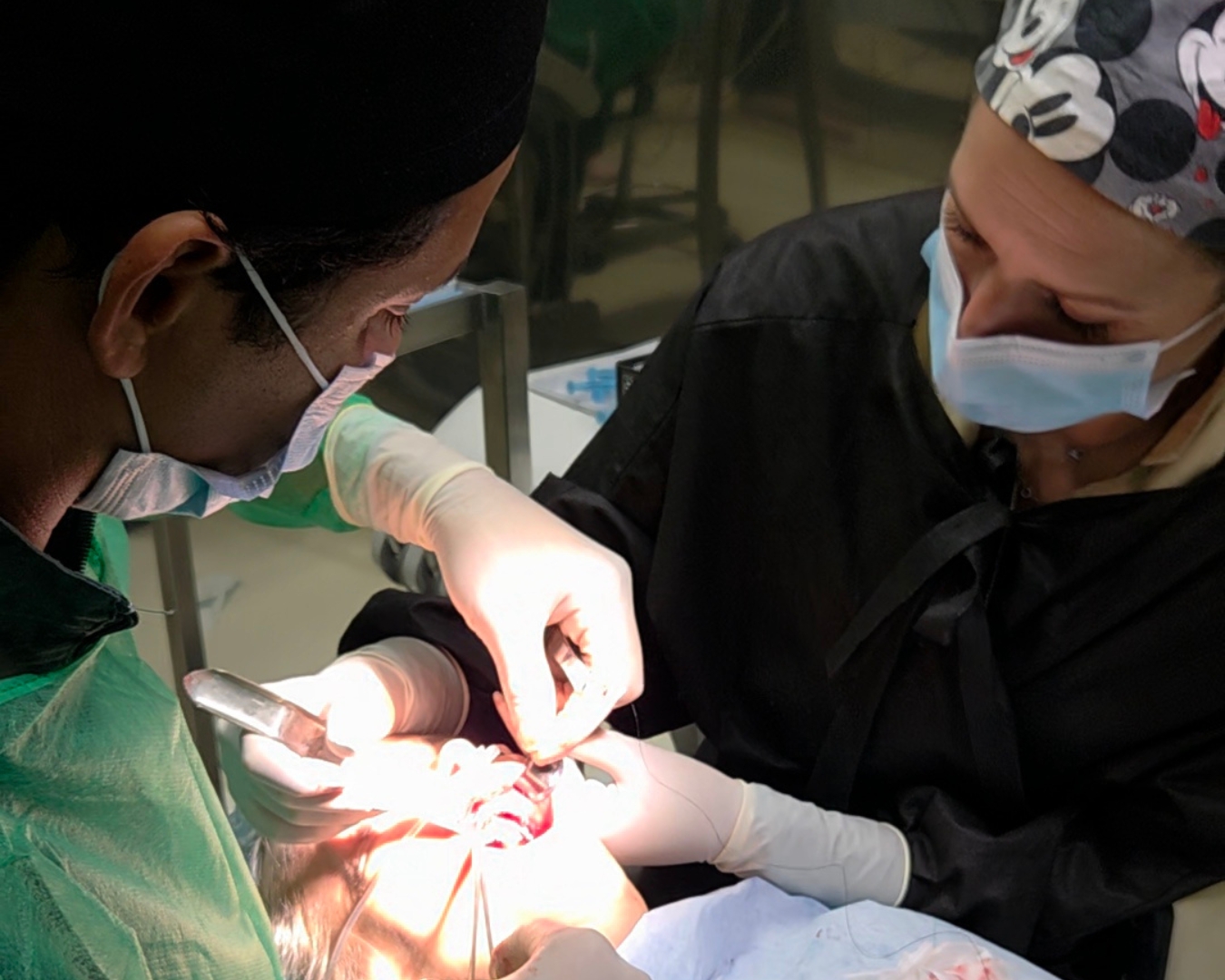
Implant insertion is a surgical procedure considered minimally invasive.
The advantage of this type of treatment is that the post-operative period, in addition to being shorter, is usually more comfortable and does not prevent the patient from leading a normal life.
Planning and Preliminary Study
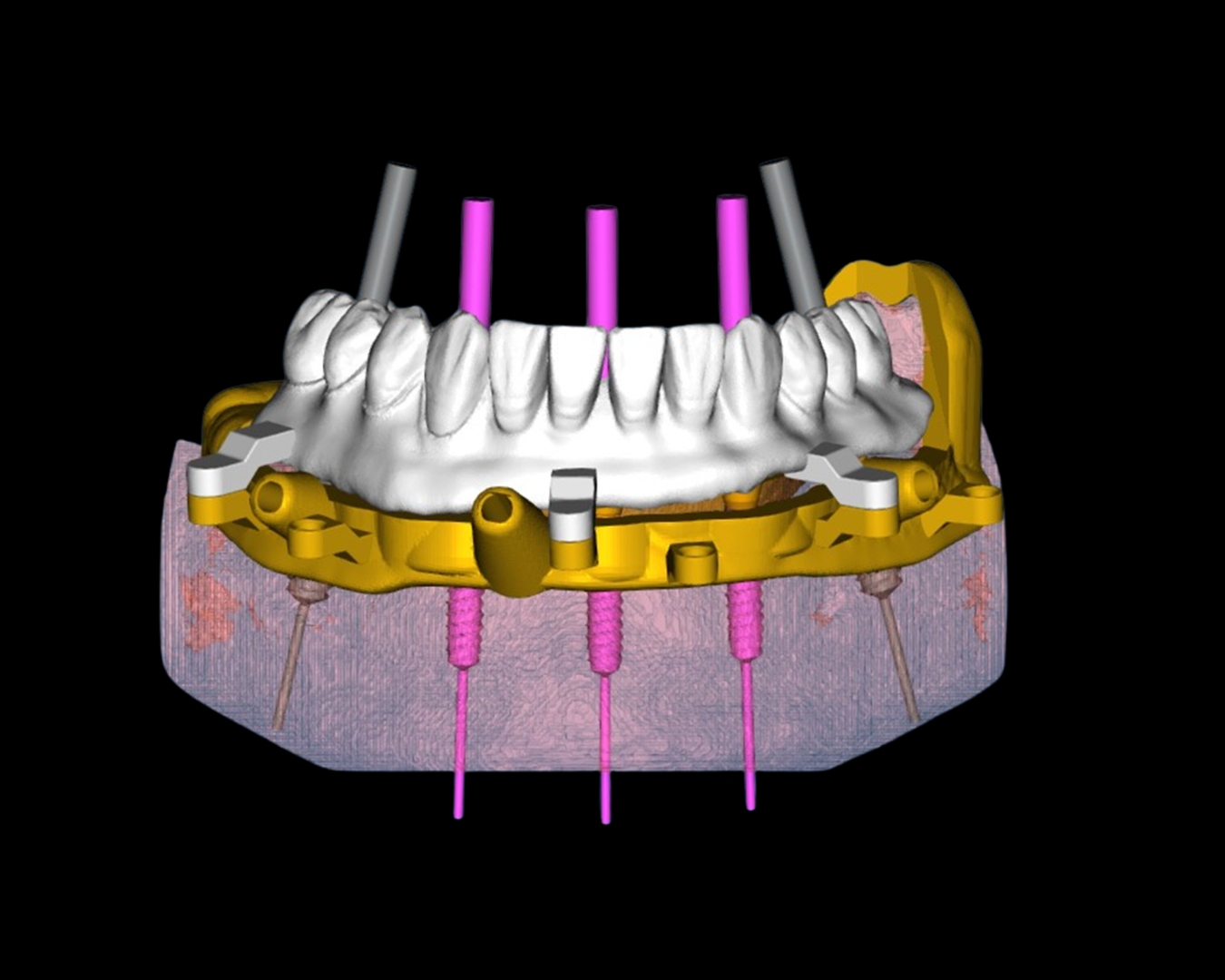
Implant treatment requires a prior study, and it is common to create a diagnostic wax-up or model of what the new teeth will be like, with an element that allows the patient to assess the future prosthesis and its harmony with facial features. A three-dimensional evaluation of bone availability using a computed tomography (CT) scan or CBCT is also necessary.
Additional Information
How long do the implants last?
There are several studies that demonstrate that approximately 97% of the implants we place achieve successful fusion with the bone where they are installed. Once they begin to function, about 95% of the implants remain in good condition after 10 years. To achieve these results, the patient's attitude and cooperation during the different phases of treatment are crucial. After the prosthesis is placed on the implants, the maintenance phase begins, which is extremely important for the long-term success of the treatment.
What if there isn't enough bone?
In cases where there is little bone available, we have techniques that allow us to increase the amount of existing bone and place implants in areas where it would not have been possible a few years ago.
Techniques such as bone regeneration, bone grafting, the use of short implants, or implants placed in the maxillary tuberosity, mean that there are few patients who cannot receive implant treatment.